
Storm & Insurance
Hail Damage on Your Roof: How to Spot It and What to Do Next
Hail is the most misunderstood kind of roof damage, because the worst of it hides. A hailstorm rarely punches an obvious hole. Instead the hail bruises the mat under the shingle and knocks off the granules that protect it — hail damage you often cannot see from the ground, and sometimes cannot see from the roof without knowing exactly what to look for.
That invisibility is why so many hail damage claims get missed until the roof starts leaking months later, long after the insurance filing window has closed. Here is what hail damage actually looks like, why it matters, and what to do after a hailstorm in Western North Carolina.
What does hail damage on a roof actually look like?
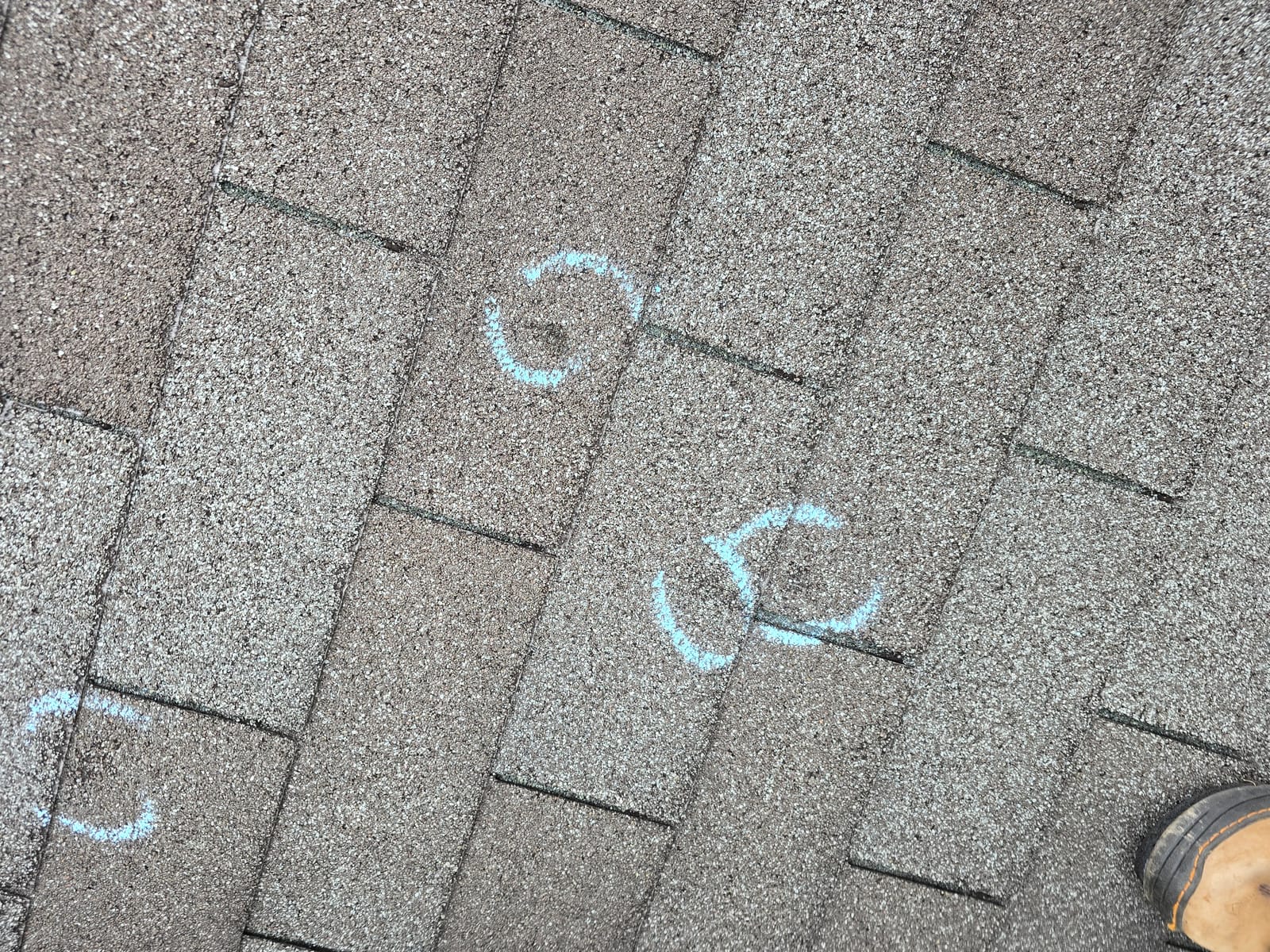
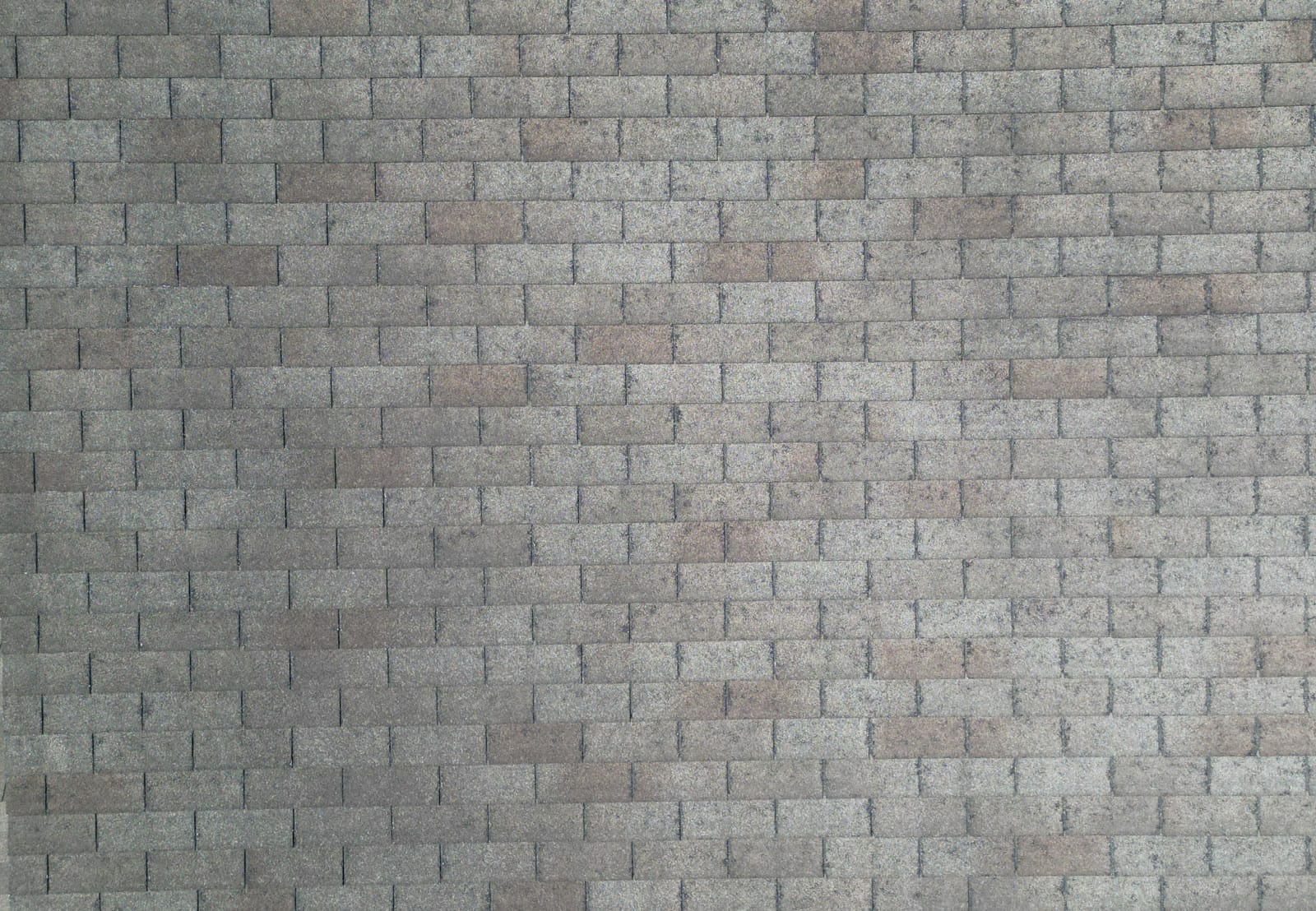
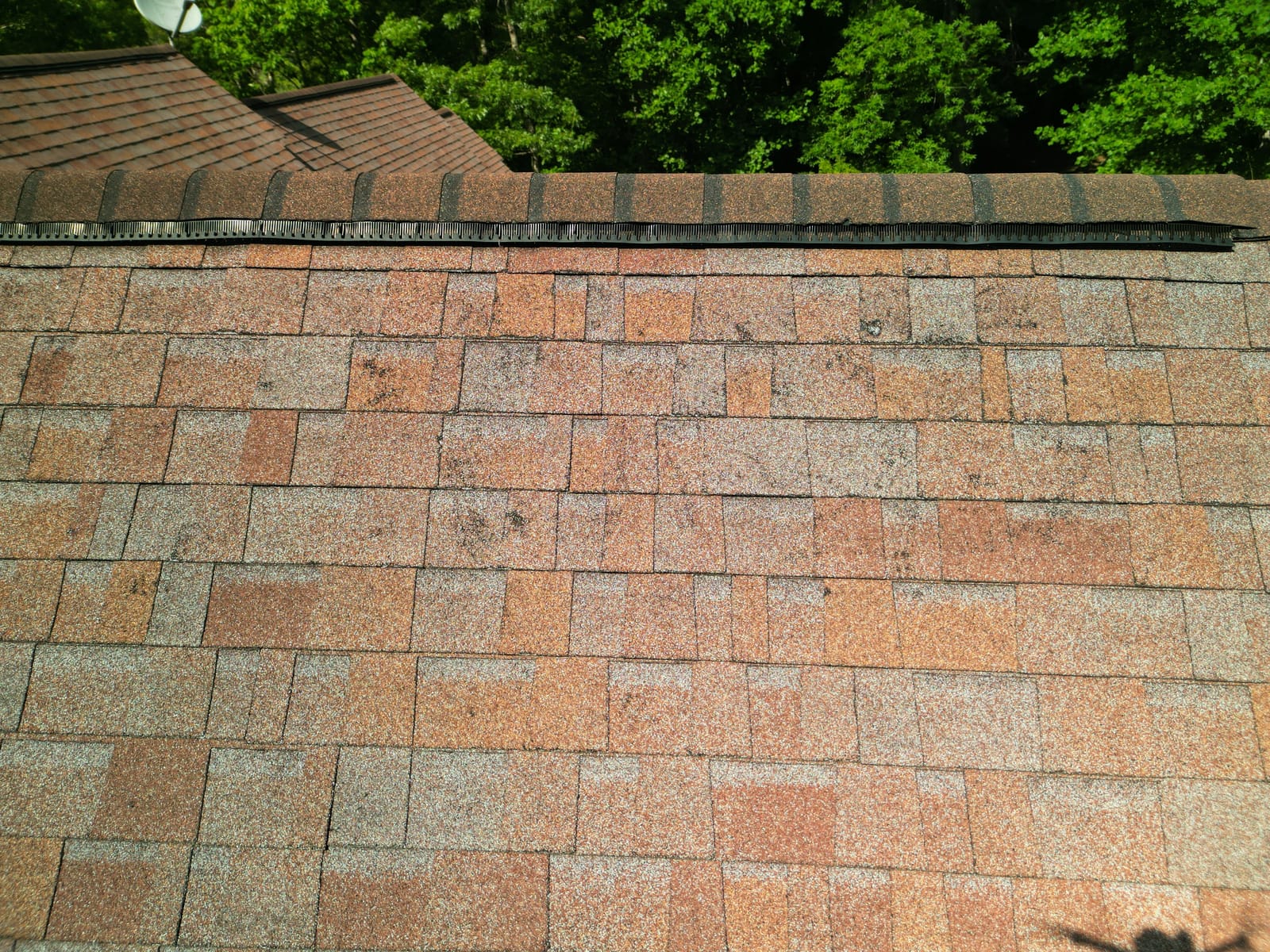
On asphalt shingles, hail leaves round bruises — spots where the hail impact cracked the mat and dislodged the protective granules. Run a hand over one and it feels soft, like a bruise on an apple. Around it you will often see clusters of missing granules exposing the darker asphalt underneath, the classic signature of hail damage.
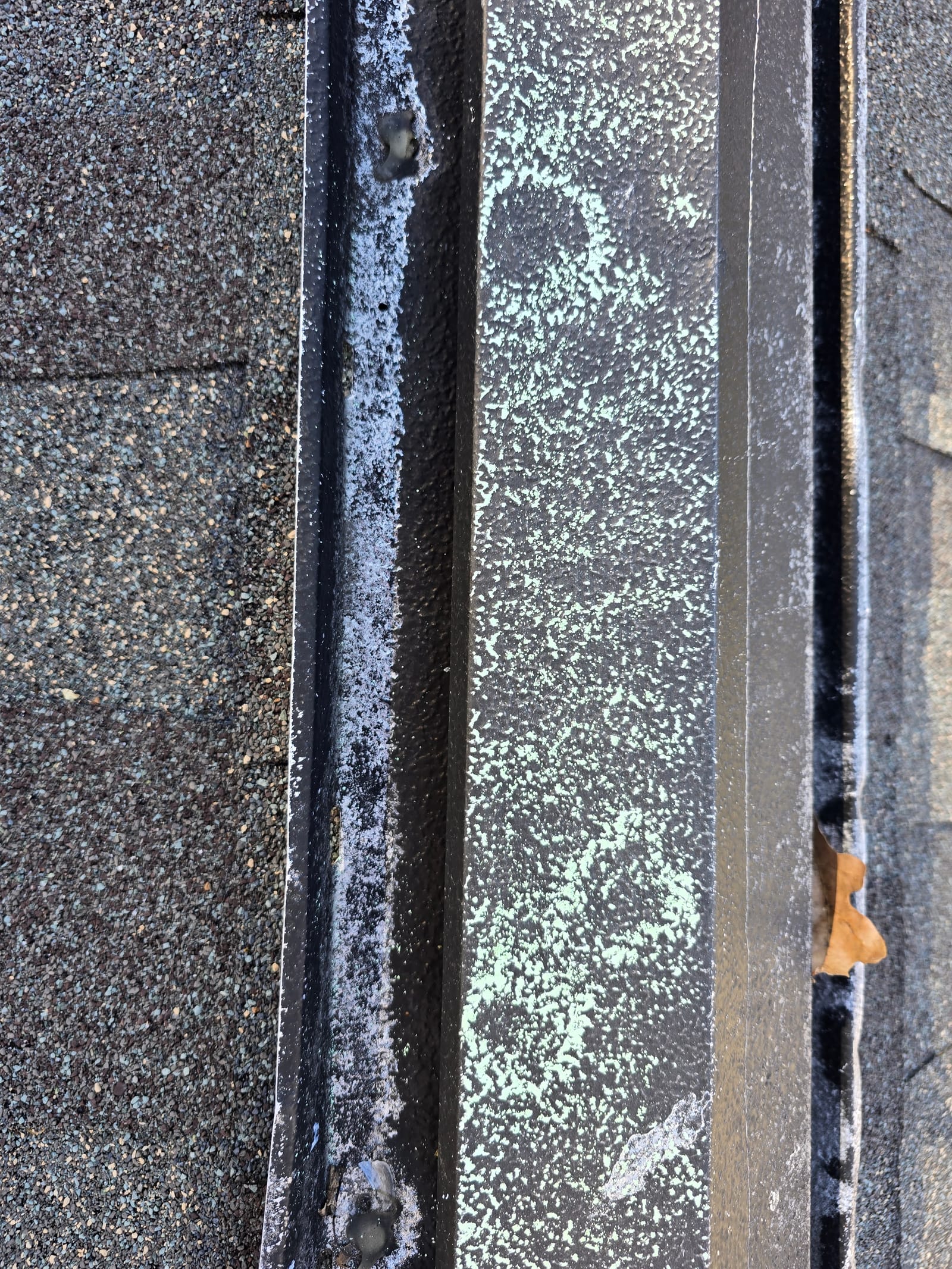
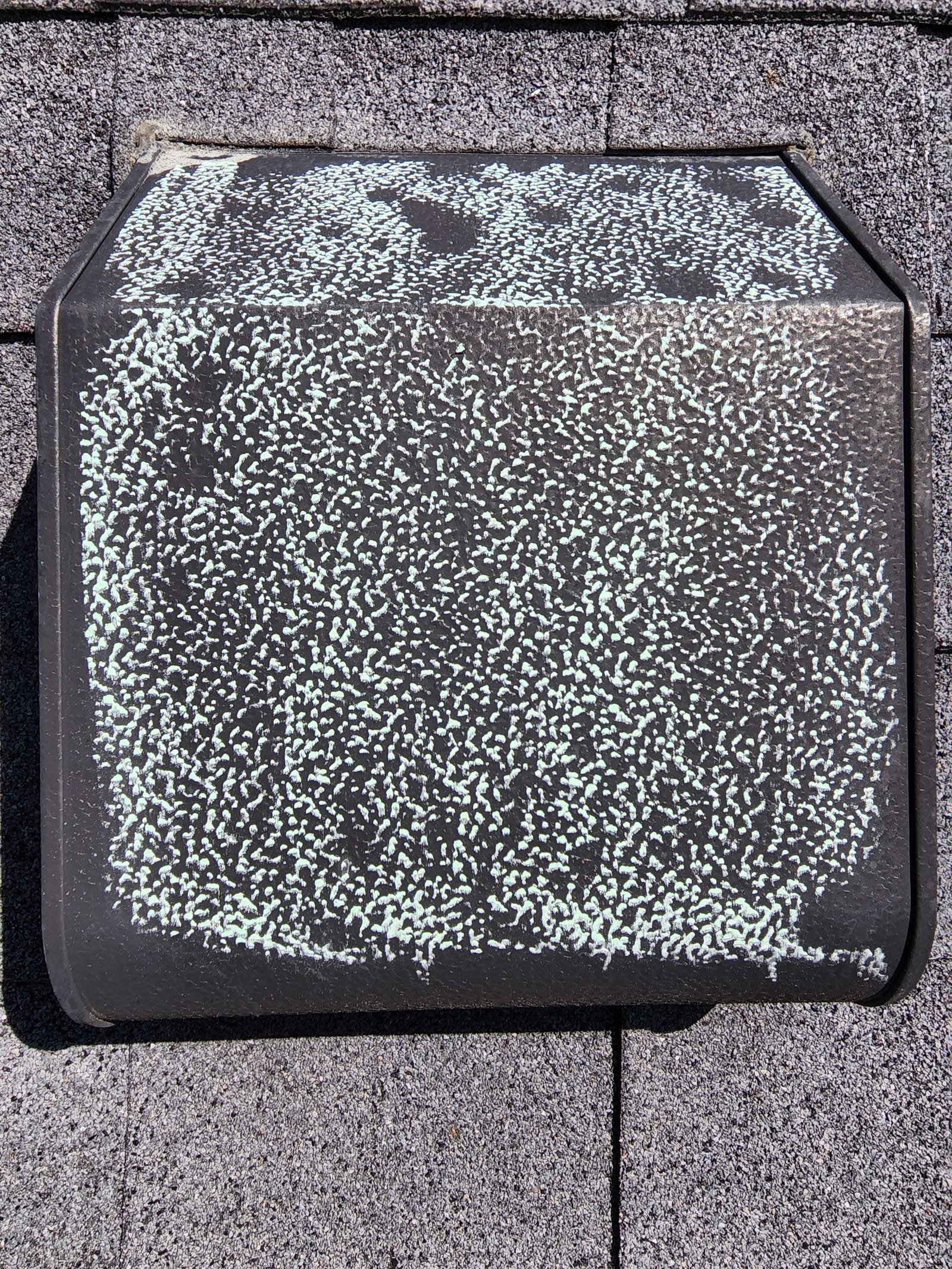
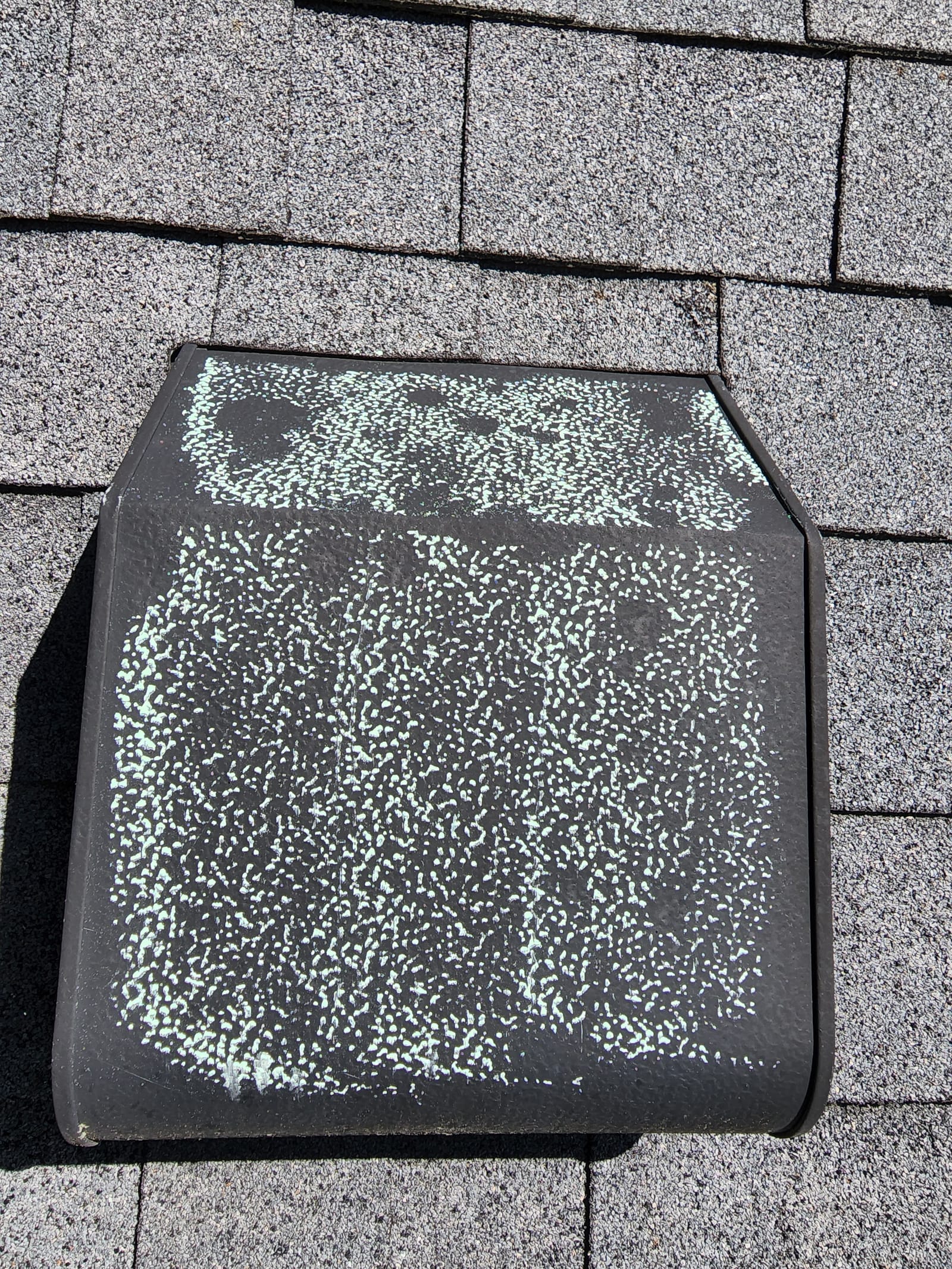
The easiest place to confirm a hailstorm, though, is the soft metal. Hail dents gutters, downspouts, valley flashing, vent hoods, and AC fins in a way that is obvious and hard to argue with. If those are dimpled, your roof took hail damage too — even if the shingles look okay from the ground.
Why hail damage matters even if the roof is not leaking
A hail-bruised shingle has lost the granule layer that shields it from UV. Exposed to the sun, that spot dries out, cracks, and fails years earlier than it should. So a roof with hail damage that looks fine today can spring leaks in two or three winters — after the storm is a distant memory and the insurance claim window has closed.
That is the trap with hail. The damage is real and the clock is ticking, but nothing looks urgent, so homeowners wait. By the time the leak arrives, the carrier can argue the hail damage is old wear rather than a specific storm, and the claim gets denied. Documenting hail damage while it is fresh is the whole game.
What to do after a hailstorm
Move quickly but safely. The steps below protect both your home and your ability to file a hail damage claim.
- Stay off the roof. Check from the ground and from soft metals — gutters, downspouts, screens, and vents — for hail dents.
- Note the date and time of the hailstorm. Carriers cross-reference claims against weather records for that location.
- Photograph what you can see safely: dented gutters, dinged flashing, granules washed into downspout splash zones.
- Book a free professional hail inspection soon, while the hail damage is fresh and provable.
- Do not file a claim before you know you have one. An honest inspection tells you whether the hail damage will support a claim, so you do not spend a claim on nothing.
How a hail inspection should work
A proper hail inspection uses the same method your insurance adjuster does: a marked test square, usually 10 feet by 10 feet, where the inspector counts and documents hail impacts. That is what makes the findings hold up in a claim. The inspector should also check everything the hail touched — gutters, downspouts, vents, screens, and siding — because hail rarely hits shingles alone.
You should come away with photos and a straight answer: an honest repair quote if the hail damage is light, or carrier-grade documentation and a claim recommendation if it is real. Either way, the inspection is free and the decision is yours. Your deductible is always yours to pay as written — no legitimate roofer can waive it.
Repair or replace after hail damage?
Not every hail-damaged roof needs replacing. The dividing line is how dense and widespread the impacts are. Light, scattered hail damage on one slope is often a repair — a handful of bruised shingles swapped out. Heavy hail damage across multiple slopes, especially on an older roof, usually justifies a full replacement under your policy, because the whole surface has lost granule protection at once.
The test-square count is what settles it. If the marked square shows hail hits above your carrier's threshold, the roof qualifies as damaged rather than repairable, and the claim is written for a replacement. That is exactly why an accurate hail inspection matters more than a guess — it decides whether you are owed a repair or a new roof.
How big does hail have to be to damage a roof?
There is no universal cutoff, but a rough guide holds up well. Hail around 1 inch — about the size of a quarter — is where asphalt shingles start to bruise. Hail from 1.25 inches up (half-dollar to golf-ball size) routinely causes damage that supports an insurance claim. Wind matters as much as size: driven hail hits far harder than hail falling straight down, so smaller hail in a violent storm can do the work of a larger stone.
The roof itself changes the threshold. An older, sun-baked, or already-brittle roof bruises and cracks at smaller hail sizes than a newer one, which is why two neighbors can walk out of the same hailstorm with very different damage. A hail-size chart is a starting point, not an answer — the roof has to be looked at.
- Pea to marble (under 1"): usually cosmetic hail, occasionally damaging on old roofs.
- Quarter (1"): the common threshold where asphalt hail bruising begins.
- Half-dollar to golf ball (1.25–1.75"): routinely claim-worthy hail damage.
- Larger than golf ball: expect widespread hail damage, often a full replacement.
Does hail damage every roof the same way?
No. On asphalt shingles, hail knocks the protective granules loose and bruises the mat underneath — the classic hail damage that fails early. On metal roofs, hail dents panels and, more important for a claim, can microfracture the coating, so a metal roof rarely leaks right away but can corrode years after the hail hit. Wood shake splits along the grain, and older, brittle tile cracks.
Soft metals tell the hail story fastest. Gutters, downspouts, valley flashing, vent hoods, and AC fins all dent visibly and are the easiest proof your property took hail — even when the shingles look fine from the ground. If those are dimpled, get the roof looked at before the claim window closes.
Hail damage we've documented across WNC
Frequently Asked Questions
How long after a hailstorm can I file a hail damage claim?
Policies carry filing windows that vary by carrier, and fresh hail damage is far easier to prove than old damage. The safe move is a free inspection within days of the hailstorm, even if you decide to file later.
Will one hailstorm really justify a new roof?
Sometimes. It depends on the density and size of the hail impacts across the roof. Light, scattered hail damage may only need a repair; widespread bruising across multiple slopes can justify a full replacement under your policy. The test-square inspection settles it.
Does hail damage metal roofs too?
It can dent panels and, more importantly for a claim, microfracture the coating. Metal rarely leaks immediately from hail, which is exactly why post-storm hail damage documentation matters.
Can I spot hail damage myself from the ground?
You can spot the proof, not the full extent. Dented gutters, downspouts, and vents confirm hail hit your home, but the bruising on the shingles usually needs a trained hands-on inspection to document. Use the soft-metal dents as your cue to book one.
Related services