
Storm & Insurance
Roof Wind Damage: What It Looks Like and Why It's Easy to Miss
Wind damage is the most underestimated thing that happens to a roof. Unlike a tree through the ceiling, roof wind damage usually looks like nothing — a few lifted or missing shingles, sometimes none at all from the ground — while it quietly breaks the seal that keeps your roof watertight. The wind damage is real; it is just hard to see.
In the Western North Carolina mountains, terrain funnels wind against ridgelines and gable ends, so wind damage here is common and often worse than it looks. Here is what roof wind damage actually looks like, why a wind-lifted shingle is a bigger deal than a missing one, and what to do after a windstorm.
What roof wind damage looks like
Some wind damage is obvious — shingles peeled off and lying in the yard. Most of it is not. The wind damage that causes the leaks months later is subtle, and you have to know what you are looking at.
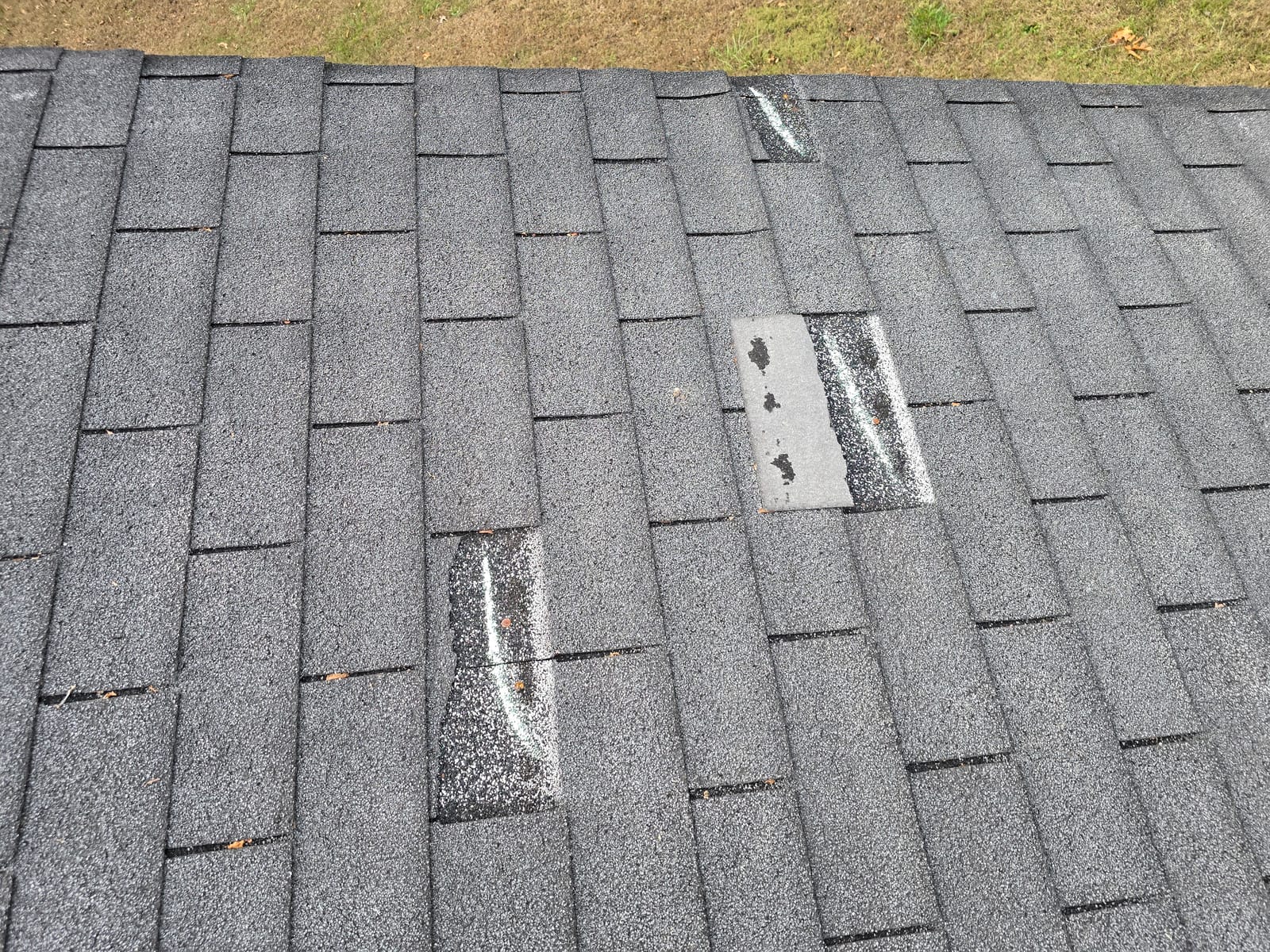
- Missing shingles: the obvious kind of wind damage, exposing the underlayment or decking beneath.
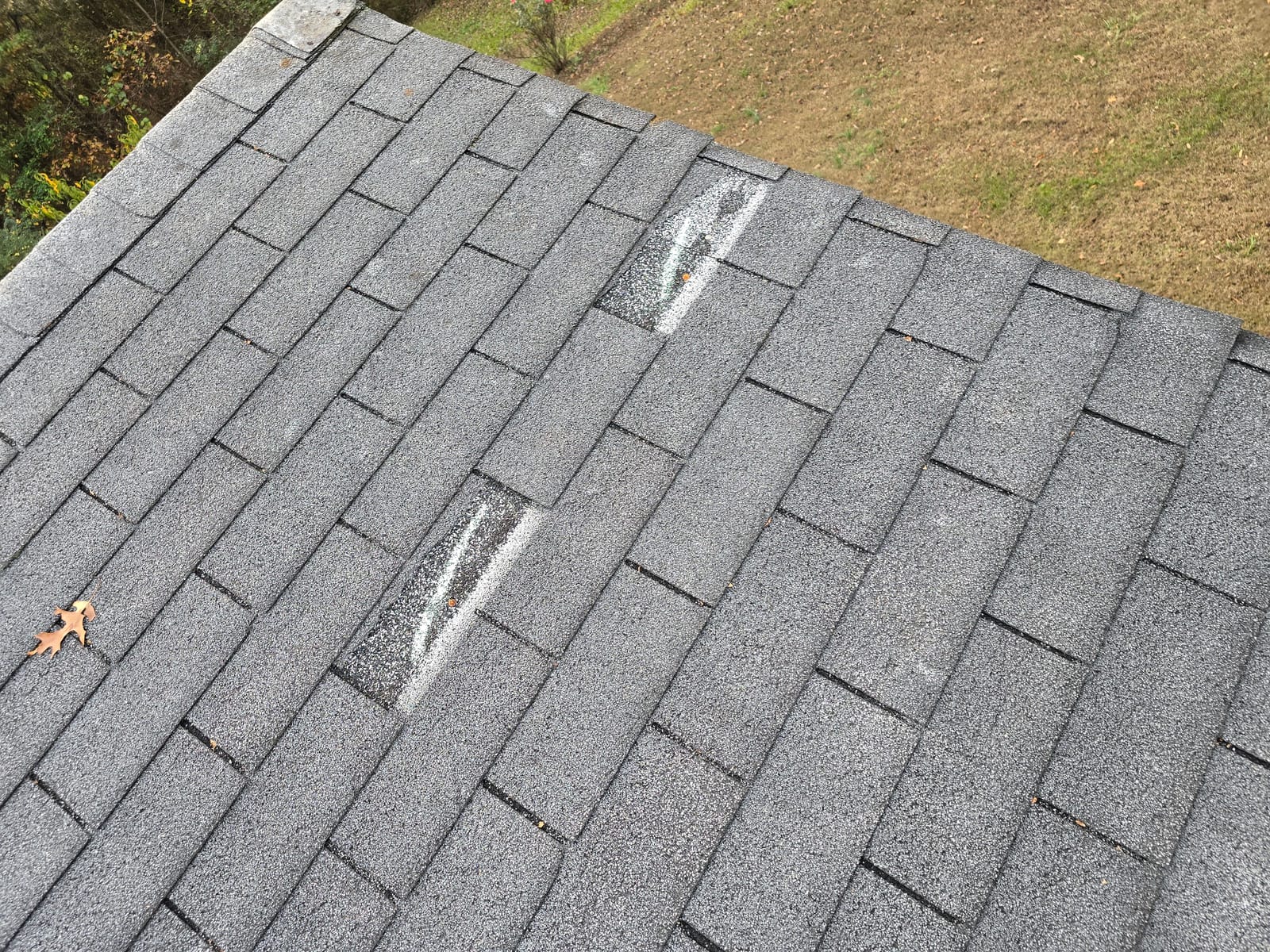
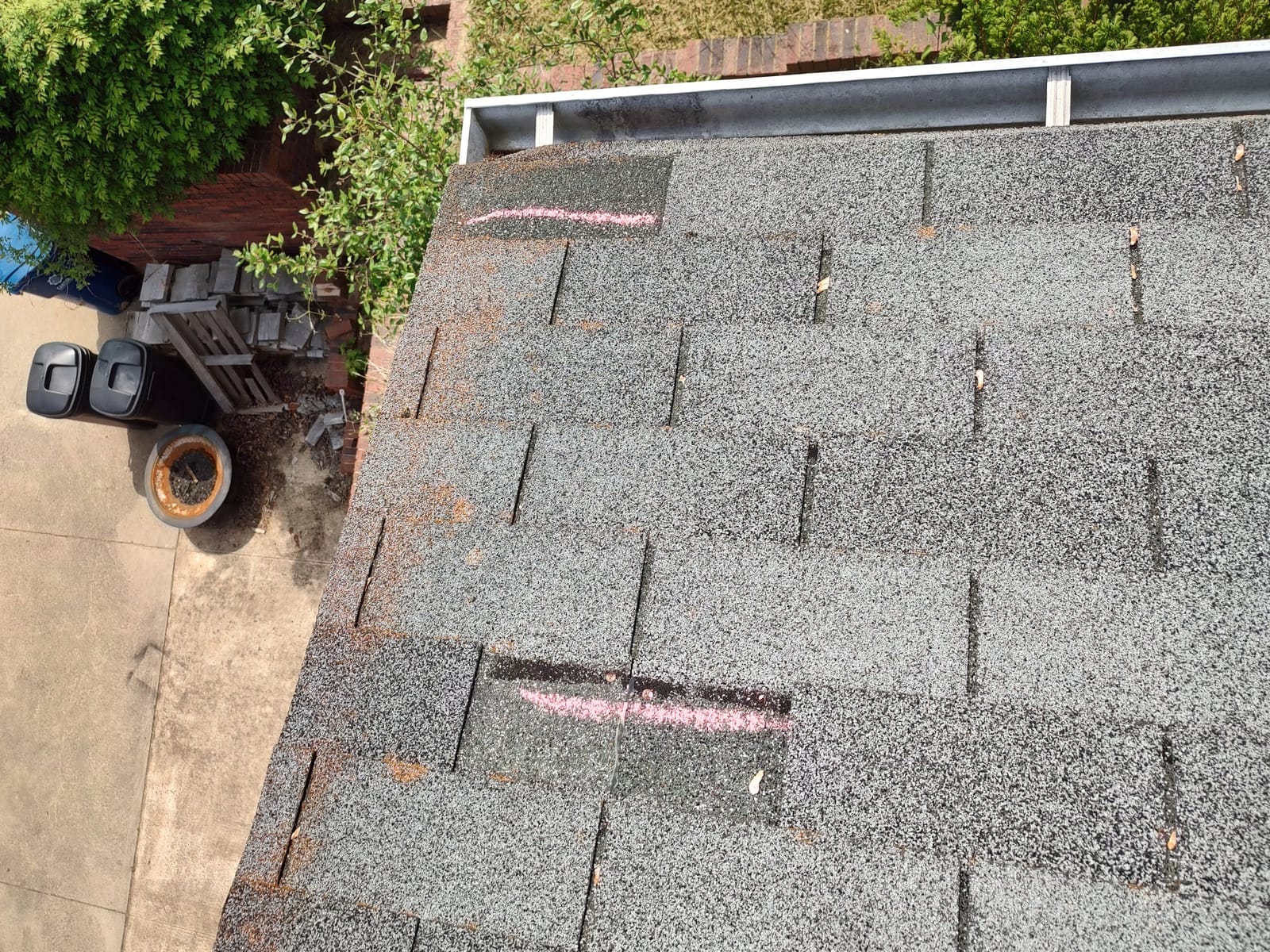
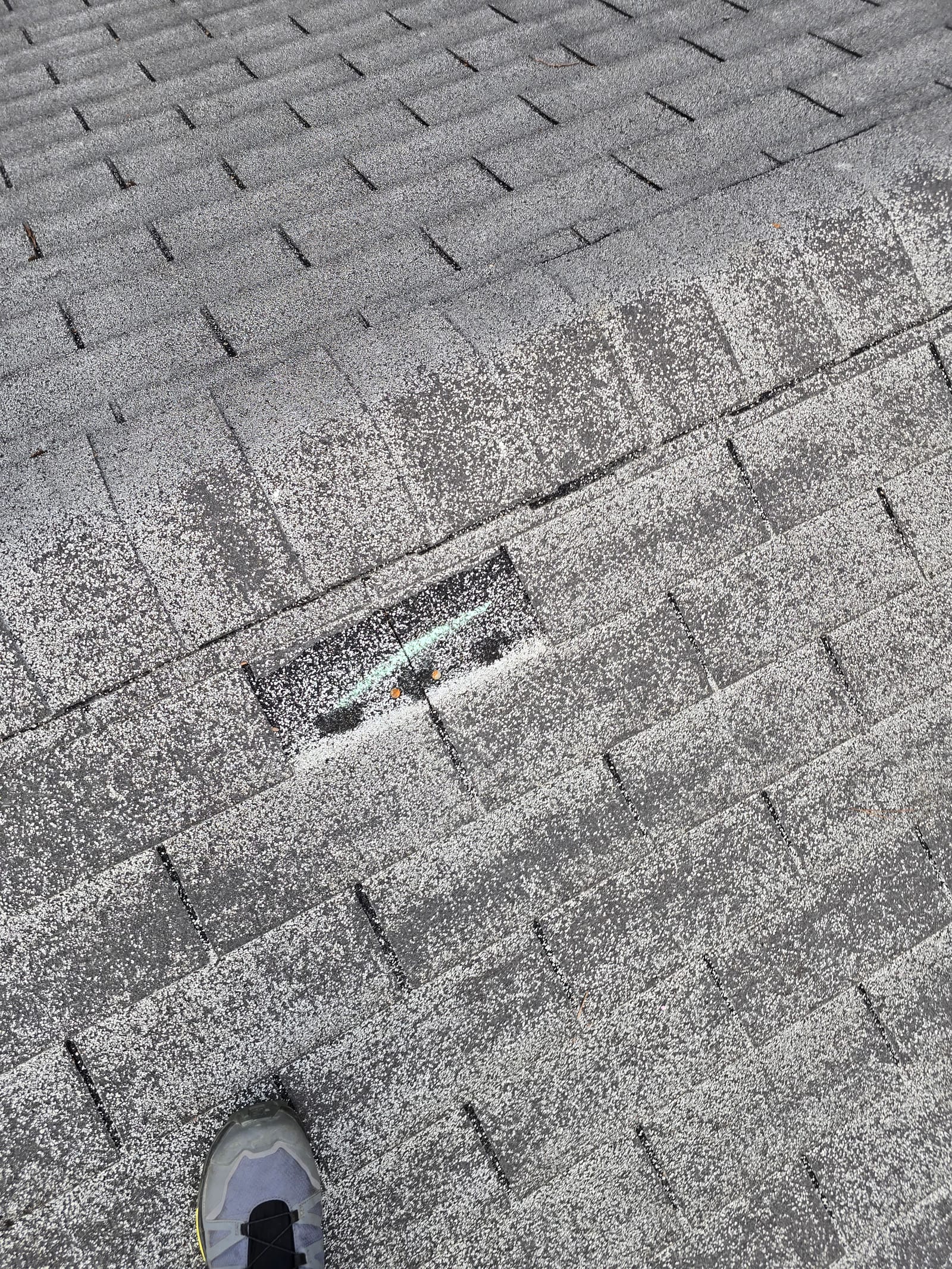
- Creased or lifted shingles: wind bends a shingle back and cracks it, then it lays back down looking almost normal — but the seal is broken.
- Granule loss: piles of grit in the gutters and downspout splash zones as wind scours the surface.
- Lifted or torn flashing: at chimneys, walls, and ridges, where wind pressure is highest.
- Debris impact: limbs and airborne debris driven by wind bruise and puncture shingles.
- Peeled ridge caps and drip edge: the exposed edges wind gets under first.
Why a wind-lifted shingle is worse than a missing one
A missing shingle is honest — you can see the wind damage and it gets fixed. A lifted-and-resealed shingle is the dangerous kind of wind damage, because the adhesive strip that bonds each shingle to the one below has been broken, and once that seal is gone it does not reseal itself. The shingle looks fine from the street, but the next wind gets underneath it, and the next rain follows.
That is what makes wind damage progressive. Each storm works a little further under the broken seals, lifting more shingles and driving water deeper, until a wind problem that was invisible after the first storm becomes an active leak after the third. Catching the broken seals early — before the leak — is the whole game with wind damage.
How much wind does it take to damage a roof?
Less than most people think. Quality architectural shingles are warranted to withstand gusts up to 110–130 mph when they are new and fully sealed — but that rating assumes a perfect install and a young roof. In the real world, seals weaken with age and sun, and wind gusts in the 45–60 mph range are enough to lift and crease shingles on an older or poorly sealed roof, causing wind damage well below the rated speed.
Exposure matters as much as wind speed. A home on a ridgeline, a gable end facing the prevailing wind, or a roof edge with worn drip edge takes far more punishment than a sheltered slope. In WNC, where the terrain accelerates wind against exposed roofs, it is worth a look after any storm with sustained wind or gusts over about 45 mph.
Why WNC roofs see more wind damage
Mountain terrain does not just block wind — it channels and speeds it up. Wind funneling through gaps and over ridges hits exposed roofs harder than the same storm would on flat ground, so a gust that is routine in the piedmont can lift shingles here. Ridge-top homes, gable ends, and the windward eaves take the worst of it, which is why two homes a mile apart can see very different wind damage from the same storm. If your home sits high or catches the prevailing wind, treat every significant windstorm as a reason to check the roof.
What to do after a windstorm
Move while the wind damage is fresh and provable.
- From the ground, look for missing or lifted shingles, debris on the roof, and granules washed into downspout areas.
- Note the date of the storm — carriers cross-reference wind events against your address.
- Get a free inspection: most wind damage (broken seals, creasing) simply cannot be seen from the ground.
- If shingles are gone and the roof is open, get it tarped before the next rain — and keep the receipt for your claim.
Wind damage we’ve documented on WNC roofs
Frequently Asked Questions
Does insurance cover roof wind damage?
Yes — sudden wind damage from a storm is typically covered minus your deductible, including the leaks it causes. As with hail, the wind-damage claim is won on documentation, so an inspection soon after the storm matters.
How can I tell if wind damaged my roof?
From the ground, look for missing or crooked shingles, debris, and granules in the gutters. But most wind damage — broken seals and hairline creases — is invisible from below, which is why a professional inspection is the only reliable check.
What wind speed damages a roof?
New, well-sealed shingles are rated to 110–130 mph, but seals weaken with age. On an older roof, wind gusts of 45–60 mph can lift and crease shingles — so any storm with gusts over about 45 mph is worth a look, especially on exposed mountain roofs.
Can wind damage a roof without blowing shingles off?
Yes, and that is the most common case. Wind frequently breaks the adhesive seal and creases shingles that stay in place, leaving damage that is invisible from the ground but leaks in later storms. Missing shingles are only the visible fraction of wind damage.
Related services